The Best Time To Implement A New Tool Is When You're Not Tendering
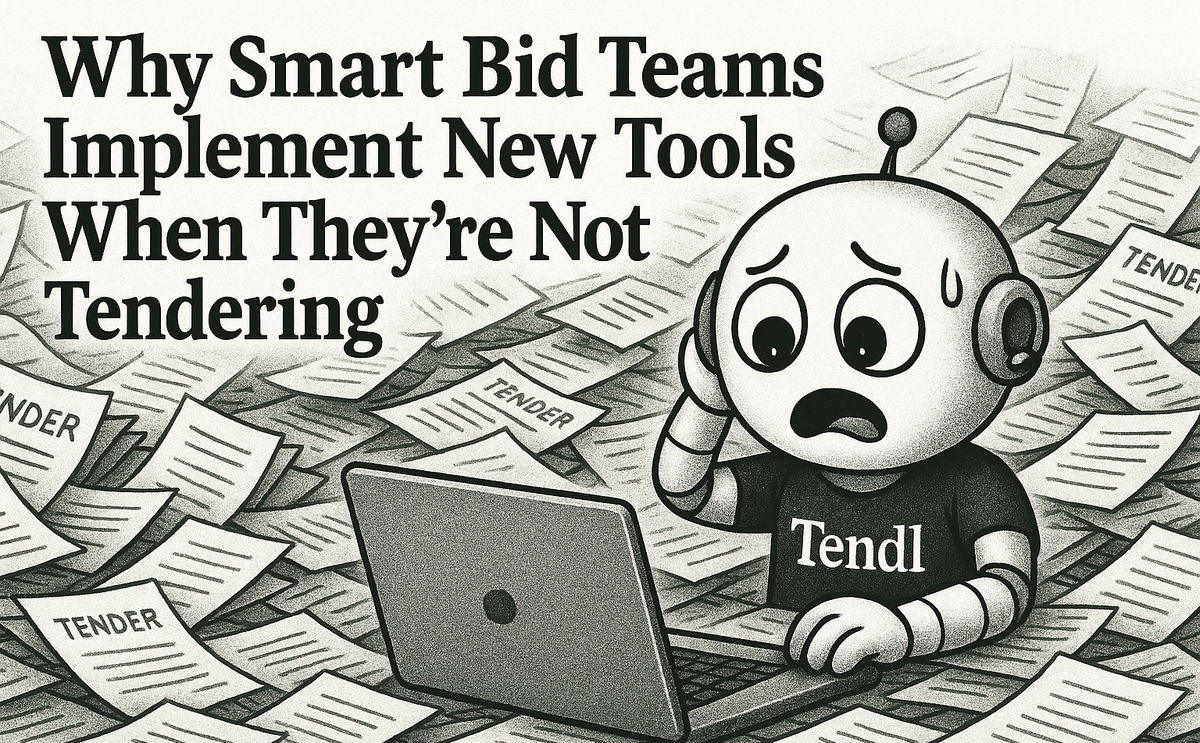
TLDR: The best time to implement a new AI tool is NOT when you’re mid-submission and looking for a quick fix to make things move faster.
Does this sound familiar?
Mid-tender deadline pressure → Scroll linkedIn and find the newest AI tender tool → Try implementing while writing responses → Abandon tool when it doesn’t work instantly or produces subpar outputs → Waste precious time → Return to old methods more stressed and behind schedule
If you've been there, you're not alone. But this reactive approach does the opposite of what you're hoping for.
Here's The Better Alternative:
Identify quiet period → Get a demo of the product and learn best use cases → Implement systematically → Build knowledge base → Test on past submissions → Enter next tender cycle fully prepared
The difference is that crisis implementations rarely stick, while strategic implementations can transform your entire tender workflow.
The Hidden Costs Behind New Tool Onboarding
Every new tool demands sacrifice. Here's what you're really signing up for when you onboard a new AI tool mid-tender:
Technical Debt:
- Learning the layout and interface of the tool
- Importing context libraries, past responses, and compliance frameworks
- Workshopping outputs to match your organisation's voice
Human Capital Cost:
- Training your team on new software (while they're already stressed)
- Breaking established workflows at the worst possible moment
- Troubleshooting inevitable early-stage hiccups
- Managing resistance from team members who just want to focus on getting the current tender done
Despite the claims of ease, AI tools aren’t entirely plug-and-play. The best outcomes require focused time and mental bandwidth, resources you don't have when drowning in active proposals.
When Should You Implement A New Tool?
The best time is during down periods, during post-submission lulls.
This is when you have the breathing room to:
- Import historical wins without rushing
- Learn alongside your team
- Build a robust, relevant knowledge database
- Test extensively on past submissions
- Fine-tune outputs to match your standards
When the next major opportunity lands, you won’t be learning on the fly. You’ll be able to execute with a fully optimised system that's been calibrated to your company’s specific needs, giving you the one-up you originally hoped for.
The Compound Effect
Strategic implementation has compounding effects over time.
Each quiet period allows for deeper integration and optimisation. Your team becomes more sophisticated in their use of AI. Your context library becomes richer and more relevant the more patient you are with iterating and uploading new documents.
These all compound to create a faster and winning tender pipeline.
The Bottom Line
That shiny new AI tool won't save your current tender. But spending time during your next quiet period to implement properly could transform every tender that comes after.
Your Next Move: Mark your next post-submission lull as your tool implementation time. Your future self (mid-tender chaos) will thank you.
If Your Ready to Transform Your Tender Workflow
Book a call with our team at Tendl for specific guidance on preparing for your next tender cycle, the right way.