AI for Tender Writing: Limitations, Workarounds, and Best Practices for Bid Teams
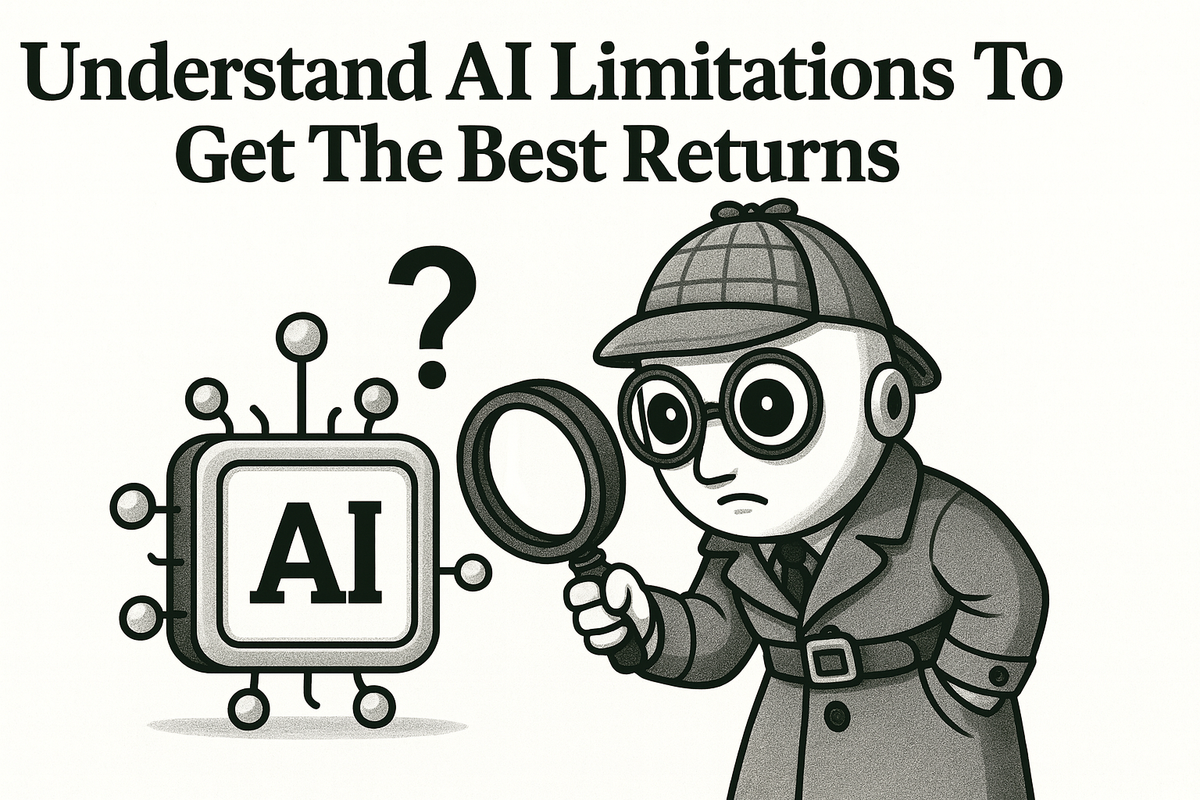
TLDR: AI is powerful but comes with clear limitations. Understanding these helps you work around them and get the best use out of AI for tendering.
Firstly, what’s the difference between Free vs Premium AI subscriptions?
This changes based on the model, but usually looks something like this:
Free tier
- Basic text generation and simple responses
- Usage limits = limited context and memory
- Slower performance
- Limited access to the newest, most capable models
- No data privacy protection
Premium tiers
- Advanced tools and specialised functionalities
- Higher/ no usage limits. Meaning longer conversations and context-specific answers
- Faster response times
- Date privacy protection
- Customisation - personalised bots/ agents created for specific tasks and integrated into company workflow.
Though costly, it’s not unusual for many professionals to have multiple AI subscriptions to leverage each model’s strengths for different workflow capabilities.
This is definitely not needed though, if you find the right model that covers a decent breadth of your work functions!
Common AI Pitfalls And How To Avoid Them
Hallucinations
- AI is programmed to confidently provide incorrect information rather than indicate uncertainty and request for clarification
- A solution is to use AI in areas where you have a good amount of knowledge and can distinguish between right and wrong answers. If you’re unfamiliar with the topic, then be prepared to cross-check and verify AI output.
Biased responses from internet data
- AI training provides vast amounts of refined internet content, but the weighing and selection of this data can create biased outputs that may not reflect your industry’s best practices
- A solution is to use AI as a starting point, not the final answer. Especially for strategic decisions!
Limited memory
- AI’s “context window” means it can only hold so much information from your conversation or uploaded documents. As this fills up, responses become less accurate and relevant to your specific situation.
- A solution is to break documents into smaller sections, or look for AI models with longer context windows for complex tender documents or contracts.
“The Black Box” problem
- Most AI systems don’t explain how they arrive at their answers, making it difficult to understand their reasoning process. While some newer models are becoming more transparent, you still can’t see the full decision-making pathway. This is problematic when needing to verify information, trace sources, or understand why the AI recommends a particular approach
- (While it's unlikely algorithms will be completely revealed) An interim solution is to always ask AI to explain its reasoning and cite sources where needed.
The Bottom Line
AI isn’t perfect. The best practice is to use it with some intellect and not as a verbatim solution. It is prone to error, therefore human analysis and cross-checking are still important when using it for complex higher-order tasks like providing recommendations, opinions and strategic analysis.
You can get a lot of utility out of AI. But you can get more if you know how to work around its limitations.
P.S. If you want to avoid shopping around and managing multiple AI subscriptions. Try Tendl, we’ve hand picked the best AI models for each part of the tendering process so you don’t have to!