How To Get More Value Out Of AI For Tendering Beyond Just Automation
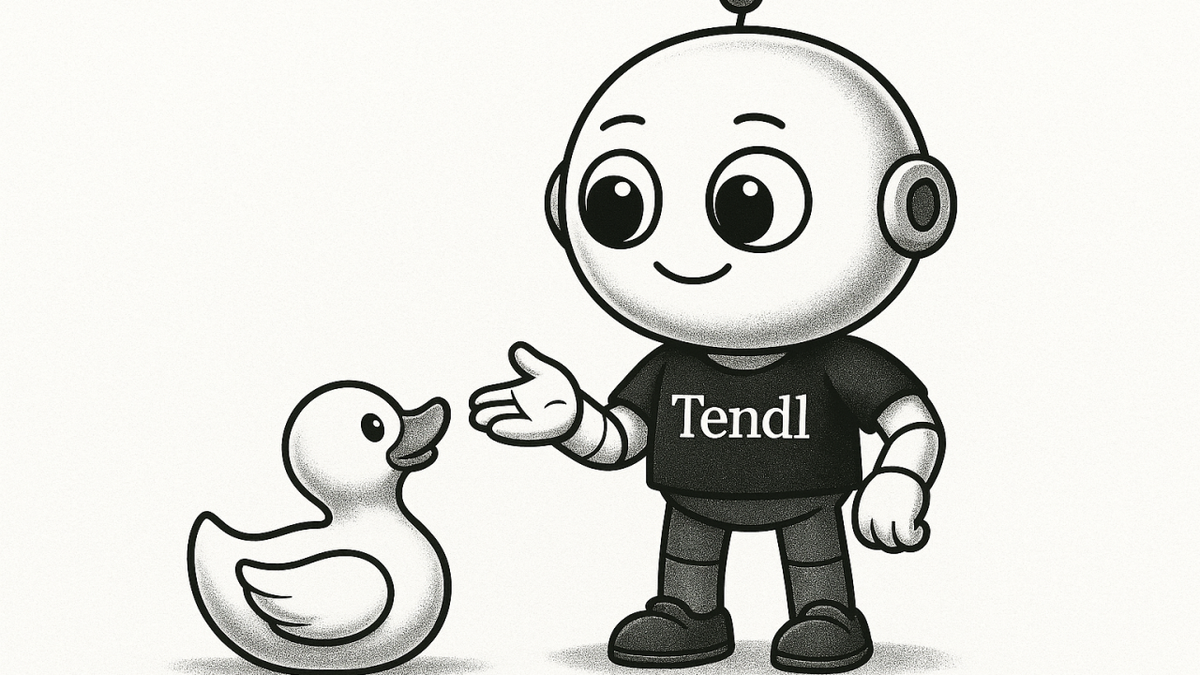
TLDR: AI is more than a copy and paste answer generating machine. Instead, one of the most valuable use cases for AI is as a consultant, coach or "rubber duck" - a tool to help you frame your thinking, workshop new ideas and ultimately guide yourself through a problem or situation.
AI excels at automating tender writing and bidding processes. But this approach barely scratches the surface of its potential value.
One of AI's greatest strengths lies not in what it produces, but in how it thinks alongside you.
Usually, you'd have to pay consultants hundreds of dollars per hour to access the kind of strategic thinking partnership you can get from the AI subscription you're already paying for.
Rethinking Your Relationship With AI
Start approaching AI as your:
- Sounding board for developing and testing ideas
- Tool to systematically break down complex problems and develop solutions
- Critical feedback provider for continuous learning and improvement
Think of AI like a boss who never gets tired of your questions and is always available to help you think through challenges.
7 Strategic Ways To Use AI More Effectively:
1. Get Targeted Feedback on Your Work
Submit your draft proposals along with the original evaluation criteria. Ask: "How well does this address the requirements?" Get specific feedback on gaps in your submission and identify strengths you can capitalise on for competitive advantage.
2. Organise Your Strategic Brain Dump
Dump all of your scattered thoughts about bid strategies, project approaches, or business development ideas into AI. Ask it to organise these thoughts and suggest how they best fit into your proposal structure or strategic framework.
3. Kickstart Your Writing Process
Don't waste time staring at a blank page. Use AI to create initial scaffolding or identify key requirements that you need to address before starting any writing process.
4. Test Multiple Stakeholder Perspectives
Ask AI to review and critique your work from different perspectives: a buyer, technical evaluator, end user, or decision-maker. This helps identify potential concerns before they become issues.
5. Strengthen Weak Sections Through Analysis
Use AI to analyse weak responses and teach you improvement strategies. Ask: "What can I do to strengthen this capability statement?" or "How can I make this solution more compelling?"
6. Learn by Teaching Complex Concepts
Treat AI like a new team member and explain complex topics or your company's value proposition. Areas you struggle to explain clearly often expose gaps in your logic or understanding.
7. Break Down Complex Requirements
When struggling with difficult tender requirements or business challenges, ask AI to break things down into simple, step-by-step frameworks that help structure your thinking and approach.
Where The Real Business Value Comes From
Not all AI responses will be perfect. AI might miss important context or provide incomplete analysis.
But the real benefit here isn't actually getting perfect answers, it's engaging in the strategic thinking process of:
- Explaining your approach clearly
- Having your ideas reflected back to you
- Identifying logical gaps in your reasoning
- Refining your strategy through iterative dialogue
This mirrors the most valuable aspects of working with business consultants. But instead of paying hundreds per hour, you're maximising the AI tools that you're already paying for.